Top-Tier Project Budgeting Guide with Minimal Stress
Enhance Your Space: Vital Details Regarding Home Renovation Work for All Property Owners
Many householders want to find options to upgrade their residences via professional remodeling. Such undertakings may vary starting with kitchen improvements to comprehensive home makeovers. Being aware of the possibilities is essential for making informed decisions. Furthermore, there exist real-world factors including financial planning and choosing the right builder. As householders start this endeavor, they might encounter unexpected challenges. Achieving a successful makeover lies in careful planning and execution. Which actions should follow?
Knowing the Various Categories of House Improvement Projects
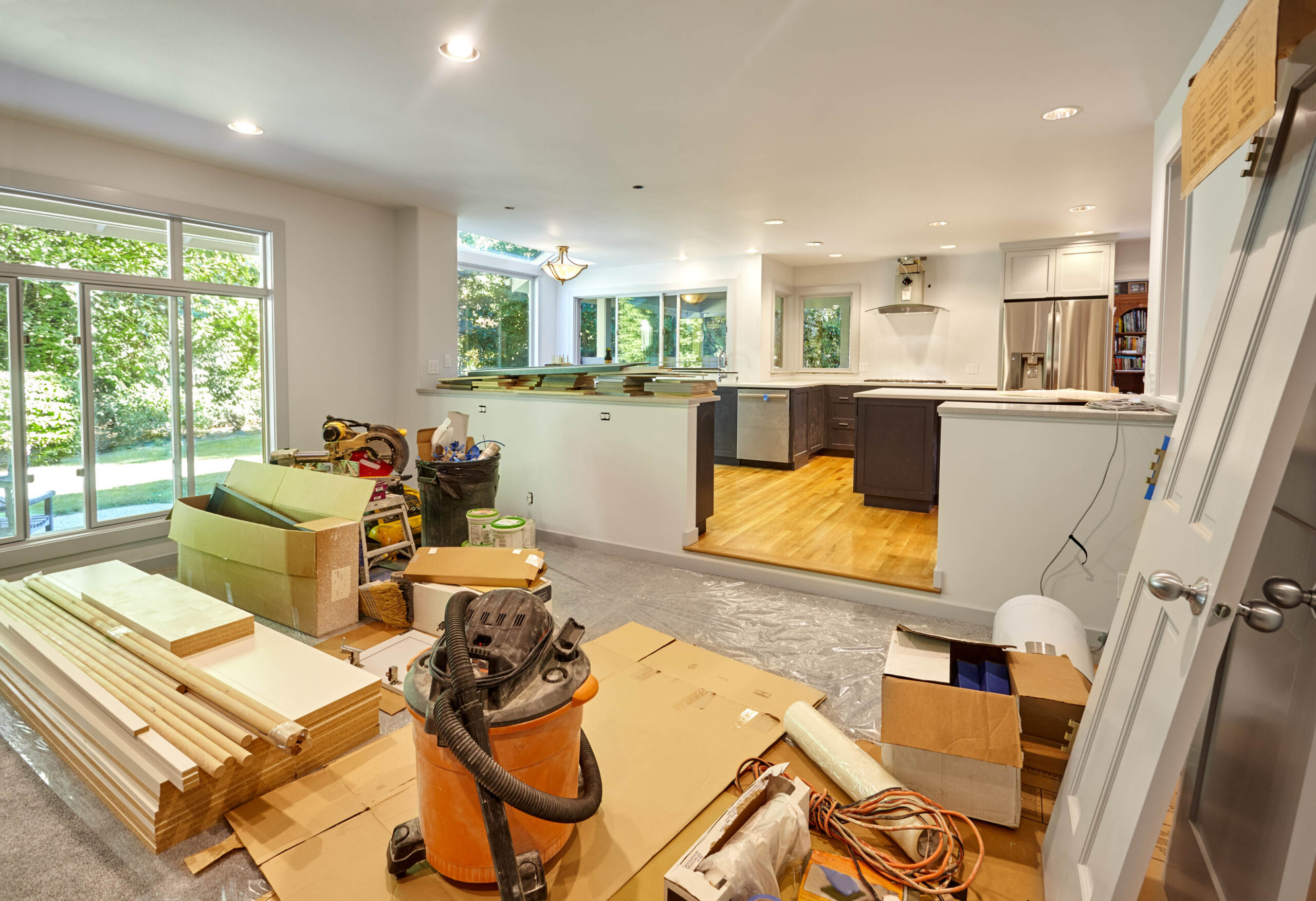
As householders look to improve their homes, they often encounter many different types of services tailored to different needs and preferences. These options can be widely classified into several types, each addressing specific aspects of house upgrades. Renovating the kitchen involves updating appliances, storage units, and floor plans to improve usability and visual appeal. Renovating the bathroom usually includes upgrading fixtures, tiles, and storage solutions for improved comfort and visual flair.
Whole-home remodeling encompasses major alterations across the property, frequently involving changing the structure to make the most of the space and layout. External improvement work, in contrast, concentrate on enhancing the property's street view, handling the exterior walls, roofing, and landscaping. Moreover, niche projects like basement finishing and loft remodeling help residents make the most of underutilized spaces. Every renovation category provides distinct advantages, enabling homeowners to choose options that fit their desired outcome for their living environment. Understanding these distinctions is crucial to making informed decisions while undertaking the upgrade.
Setting a Realistic Budget for Your Home Improvement Work
How do property owners make certain their home upgrades are kept economically sound? Developing an achievable budget is crucial. It is advisable for homeowners to begin by evaluating their financial capacity, covering savings and possible funding sources. This initial step helps establish the funds available for the updating project without jeopardizing other monetary duties.
Next, homeowners must investigate the expenses linked to their planned updates, taking into account materials, labor, and unexpected costs that frequently occur. Developing a comprehensive priority list will assist in separating necessities from non-essential items, making it possible to adjust if funds become limited.
It's wise to include a contingency fund, generally 10-20% of the entire budget, to handle unforeseen expenses. Regularly reviewing and adjusting the budget throughout the remodeling process can further assist in keeping finances in check. Ultimately, a well-planned budget does more than just confirm the project can be done but also enhances the overall remodeling experience for homeowners.
Selecting the Appropriate Contractor to Suit Your Project.
Finding a suitable builder can significantly affect how well a renovation turns out. It is recommended that homeowners start by doing comprehensive research, seeking recommendations from friends, family, or online reviews. It is crucial to check qualifications, including licenses, insurance, and bonding, to confirm legitimacy.
After suitable professionals have been found, property owners must ask for comprehensive quotes and schedules, allowing for informed comparisons. Interviews provide insight into communication styles and professionalism, which are essential for a collaborative process.
Additionally, reviewing past projects through portfolios or references shows the builder's standard of work. Property owners must also ask about guarantees or assurances, indicating the builder's certainty about their services.
In the end, choosing a professional who matches the homeowner's goals, finances, and schedule fosters a more positive remodeling experience, ensuring the work fulfills requirements and changes the space as intended.
Organizing and Conceptualizing The Space You Envision.
When property owners picture their perfect areas, careful planning and thoughtful design are crucial elements of a successful remodeling project. The initial phase includes assessing present requirements and long-term goals, which permits a comprehensive grasp of the room's intended function. It is important for homeowners to weigh practicality, visual appeal, and their individual taste, making sure the design captures their individual tastes.
Subsequently, creating a detailed budget is vital. This budget should accommodate materials, workforce costs, and contingency funds. Consulting with design experts can provide valuable insights, aiding in maximizing the area and respecting budgetary constraints.
Including features such as natural light, spacious designs, and sustainable materials can enhance the overall experience. In conclusion, visualizing the project through sketches or digital renderings can assist in finalizing plans before implementation. By thoughtfully tackling the design and planning stage, homeowners can create an inviting, efficient space tailored to their lifestyle.
Dealing with Permits and Building Codes in House Renovation
Familiarizing oneself with the red tape and requirements can be intimidating for homeowners starting on a remodeling project. Each municipality has specific rules that govern what can be done during renovations, typically guided by zoning laws, building codes, and security requirements. It is essential for homeowners to understand local regulations to prevent expensive penalties or construction hold-ups.
Generally, securing permits is essential for major changes, such as modifying load-bearing elements or new wiring installations. This process frequently requires submitting blueprints for approval and may require inspections at various stages.
Working with a skilled professional can streamline these steps, as they are usually well-versed in local regulations and can assist with paperwork. Homeowners should also keep communication open with the city's regulatory body to ensure adherence throughout the project. By comprehending and working within these rules, homeowners can meet their renovation objectives while ensuring safety and legality in their renovations.
FAQs
What is the Duration of a Standard Home Renovation?

The average remodeling job typically spans three to six months on average, based on the size of the job, size of the home, and availability of materials. More involved renovations might need extra time for completion.
What are typical errors that people make when renovating?
Frequent errors during remodeling often involve underestimating budgets, ignoring necessary permits, overlooking timelines, failing to communicate effectively with contractors, and ignoring long-term functionality. Understanding these dangers can lead to a more efficient, more successful remodeling experience.
What's the best way to select the best supplies for the job?
Picking the best materials involves evaluating their resilience, the look and feel, and budget. Researching options, consulting professionals, and thinking about upkeep are vital steps in reaching educated conclusions, to guarantee the project fits your needs and preferences.
Will I be able to reside in my property throughout the construction phase?
You are able to stay on the premises while work is ongoing, but you should expect some hassle. Thorough preparation, effective coordination with the renovation team, and setting aside certain zones for daily use can lessen the stress while the work is underway.
What kind of coverage should be provided from remodeling contractors?
You should anticipate receiving warranties for the labor performed, materials, and key building elements, which usually last between one to ten years. You must carefully check the fine print and details with contractors to clearly grasp what is covered and what is excluded.